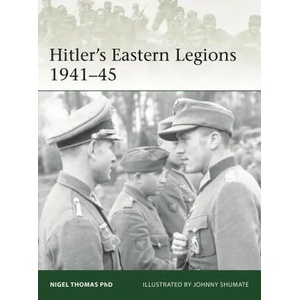
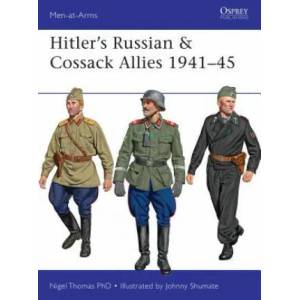
Between 1941-45, the Germans recruited around 175,000 men from a number of minorities in the USSR, distinguishing between 'Turkomans' (predominantly Muslims) and 'Caucasians'...
Подробно
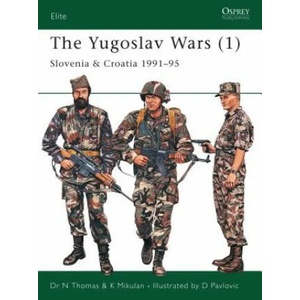
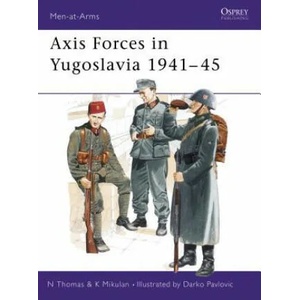
The breakup of Yugoslavia in the 1990s was the bloodiest conflict in Europe since World War II, costing thousands of lives. Nigel Thomas and K Mikulan provide the first detailed account...
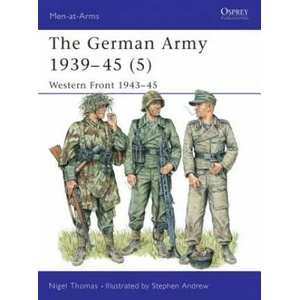
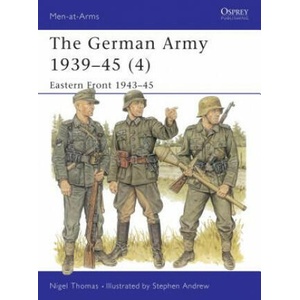
This book covers the high command, the developments in unit organisation, the campaigns and the uniforms and equipment of the German Army in the last two years of the war in North-West...
Подробно
The Royal Hungarian Army was Germany's largest ally on the Eastern Front during World War II (1939-1945), providing a vital contribution in terms of both men and equipment. Information...
Подробно
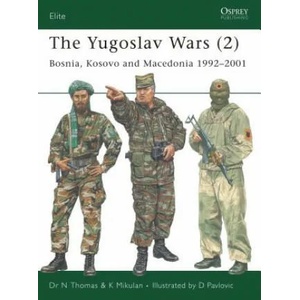
Following the death of the Yugoslavian strongman President Tito in 1980, the several semi-autonomous republics and provinces that he had welded into a nation in 1945 moved inexorably...
Подробно
On April 6th, the German 2nd and 12th Armies, Italian 2nd and 9th Armies, and the Hungarian 4th, 5th and Mobile Corps invaded Yugoslavia from Italy, Germany, Romania, Bulgaria and Albania...
Подробно
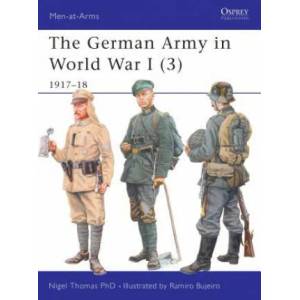
This third volume of a mini-series covering the German forces in World War I examines the troops that fought during the climax of the war on all fronts: the last great battles of attrition...
Подробно
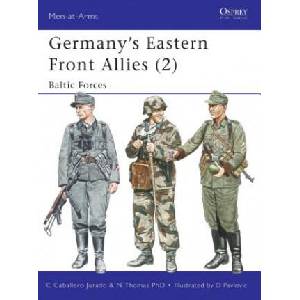
The Baltic region of Latvia, Lithuania and Estonia saw some of the most prolonged and savage fighting of any on Germany's Eastern Front during World War II. The coastal nations...
Подробно
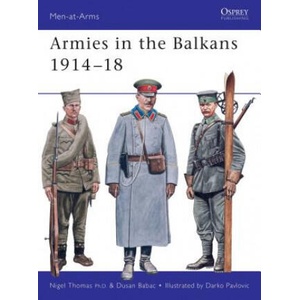
It was the Balkan flashpoint which set off World War I, yet the fighting there is curiously neglected, although it was an inportant 'second front' cutting the Central Powers...
Подробно
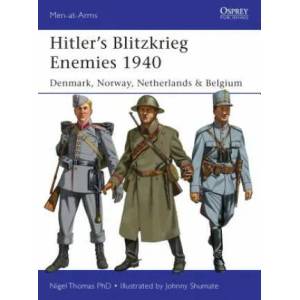
The armies of Denmark, Norway, the Netherlands and Belgium bore the first crushing impact of Hitler's mighty Blitzkrieg war machine in Western Europe, in a campaign that astonished...
Подробно
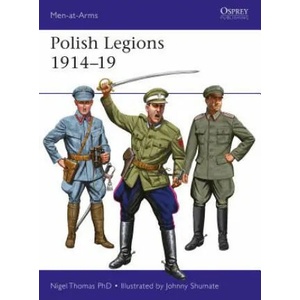
In 1917 Poland was recognised as a state by Russia, but the Bolshevik coup threatened this. The Polish leader Marshal Pilsudski hurried to build an army around Polish World War I veterans,...
Подробно
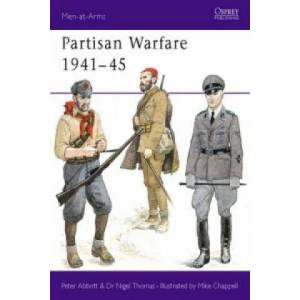
During 1941 the Germans occupied first Greece and the former Yuogslavia, then enormous areas of European Russia. Once the front line troops had moved on the struggle continued as bands...
Подробно
Given the merciless way in which the war on the Eastern Front of World War II was conducted, it is difficult to imagine soldiers changing allegiance from one side to another. Yet after...
Подробно
In early 1943, the annihilation of the 6th Army at Stalingrad marked the irreversible turning-point of World War II (1939-1945) in the East. Despite occasional local successes gained...
Подробно
Due to Poland's partitions and dissolution in the late eighteenth century, hundreds of thousands of Polish soldiers enlisted in distinct units in the armies of many countries--primarily...
Подробно
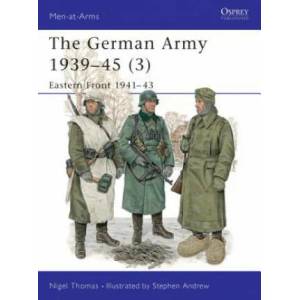
Operation Barbarossa, the attack on the Soviet Union, commenced on 22 June 1941. It became the biggest conflict in military history, with some three million German troops and about...
Подробно
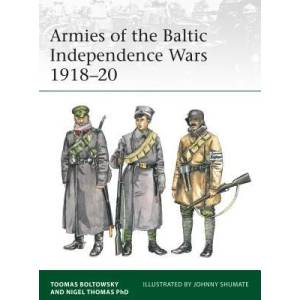
This fascinating book concisely tells the story of the birth of three Baltic nation states: Estonia, Latvia and Lithuania. Immediately following the end of World War I, amid the collapse...
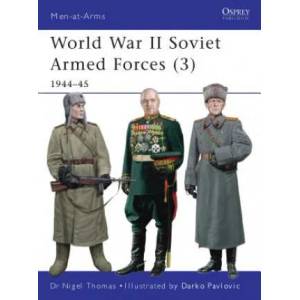
This book presents a detailed analysis of the Soviet armed forces during the final days of the war, covering the soldiers that successfully turned the tide against the Nazi onslaught...
Подробно
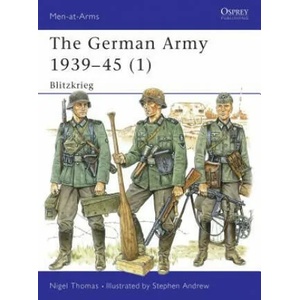
The first of a series of five books on the German army of World War II. This volume focuses on their achievements from 1935 to 1940, and how the military traditions of Germany were...
Данните и цените за продуктите предлагани от нашите партньори служат за напътствие и обща информация. Моля, преди покупка проверете дали съответстват на публикуваните данни от сайта на магазина или производителя. За евентуалните неточности и грешки не носим отговорност.